









How Often Should You Schedule Landscape Maintenance in San Luis Obispo?
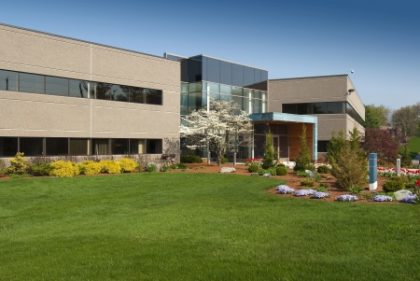 If you live on the Central Coast, you already know our weather shapes how your yard grows. The question most homeowners ask is simple: how often should you plan landscape care to keep everything healthy and looking great? The right answer blends your plant mix, sun and fog exposure, and how you use the space. Many homes do best with service on a weekly or biweekly rhythm, with seasonal checkups layered in across the year. For a deeper dive or to start a plan, explore our San Luis Obispo landscape maintenance options tailored to local properties.
At Dan’s Landscaping Company, we help set a schedule that fits your yard and lifestyle. If you want a quick overview, this guide lays out monthly, seasonal, and annual cadences for common San Luis Obispo conditions. You can also learn more about landscape maintenance San Luis Obispo solutions on our home page, then come back here to match a cadence to your property.
What Drives Your Maintenance Schedule In San Luis Obispo
San Luis Obispo enjoys a Mediterranean climate with wet winters, dry summers, and regular morning marine layers. That means growth tends to surge in late winter and spring, slow in late summer, and pick up again in early fall after the first rains. Your schedule should reflect those swings.
- Plant palette: turf, hedges, citrus, and roses call for more frequent visits than native and drought-tolerant palettes.
- Sun and fog: coastal influence and canyon shade keep soils cooler and wetter, which affects mowing cycles and trimming pace.
- Irrigation style: smart controllers and drip reduce stress and help even out the calendar, while overspray or older systems can cause bursts of growth.
- Use level: entertaining areas, play lawns, and front entries usually need more frequent touch-ups than low-traffic side yards.
Pro tip: match visit frequency to plant needs, not the calendar on your wall. A small lawn with hedges may still outpace a large native garden during spring growth.
Monthly, Seasonal, And Annual Cadence That Works
Here is a practical cadence many San Luis Obispo homes and small commercial sites follow. It balances appearance, plant health, and water efficiency without over-servicing.
Weekly To Biweekly Visits
During peak growth from February through June, weekly or biweekly service keeps turf, edging, and fast growers in check. In late summer and midwinter, many properties shift to every two or three weeks as growth slows. This steady rhythm supports clean lines, quick problem spotting, and consistent curb appeal for listings, guests, or HOA standards.
Seasonal Tune-Ups
Layer seasonal checkups on top of routine visits. These are focused sessions designed to reset the landscape for the next phase of weather.
- Late winter to early spring: refresh mulch, check storm impacts, and confirm irrigation coverage before longer days boost growth.
- Early summer: review irrigation runtimes for heat and wind, fine-tune plant care for sun exposure, and tidy high-visibility areas.
- Early fall: remove spent annuals, shape shrubs after summer, and prepare beds for winter rains.
- Midwinter: evaluate drainage and plant health while growth is slower, then set priorities for spring.
Helpful reminder: consistent seasonal tune-ups reduce surprise repairs and help your yard transition smoothly between weather shifts.
Residential Landscape Management Schedule By Season
Use these Central Coast–friendly guidelines to plan your year. Your exact cadence may vary based on plant types and how much time you spend outside at home.
Winter: January–February
Growth is slower, but winter storms can bend branches and push debris into lawns and beds. This is a smart window for structural shrub shaping, bed detailing, and irrigation checks between rain events. If you host early spring gatherings, start edging and lawn grooming late in this period so the yard snaps into shape as days lengthen.
Spring: March–May
This is the sprint. Lawns, hedges, and flowering shrubs respond fast to longer days and soil warmth. Aim for weekly or biweekly visits to keep up with edges, pathways, and views from the street. Seasonal mulch refresh and plant health checks help lock in moisture before the dry season.
Summer: June–August
Heat and afternoon breezes can stress thirsty plants. Routine visits focus on keeping entries crisp, managing growth in high-use areas, and watching for hot spots where irrigation needs adjustment. With the right cadence, your yard feels ready for barbecues and evening hangouts without constant touch-ups.
Fall: September–November
Early fall often brings a second growth pulse after the hottest weeks. This is the time to tidy, shape, and prep beds for the first rains. A fall tune-up smooths the handoff into winter, reducing the chance of washouts and muddy footprints across entries.
Neighborhood Considerations Around San Luis Obispo
Microclimates across town can shift your plan. Homes near Laguna Lake and the foothills often see more morning moisture and cooler pockets. Downtown properties may need more frequent litter pickup and walkway detailing. Edna Valley and south-facing slopes warm up faster, which can push trimming and edging a little earlier in the season. If your home sits near open space or along hill edges, plan periodic checks for leaf litter and seasonal growth right along fences and pathways.
Local insight: wind patterns along open corridors can move mulch and light debris to corners and alcoves. Adding an extra light-detail visit after windy weeks helps entries and patios stay guest-ready.
How Commercial And High-Visibility Areas Differ
Entry monuments, storefronts, medical offices, and hospitality spots benefit from a steadier weekly cadence year-round. The goal is consistent presentation during business hours. Higher foot traffic compresses soil and scuffs turf edges, so these sites need more frequent edging and bed touch-ups. Parking islands and curbside strips also appreciate regular line trimming to keep sightlines open and reduce trip hazards.
When To Adjust Your Schedule
Even the best plan needs tweaks throughout the year. Use these signals to nudge frequency up or down without overcommitting.
- Edges and joints blur within a week between visits.
- Walkways collect leaves or blossoms faster than usual.
- Hedges lose their shape sooner than your next planned visit.
- Entry beds look tired before guests arrive for weekend plans.
If two or more of these show up often, increase visit frequency for a month, then reassess. If growth stays slow and lines hold, you can step back to biweekly service. A flexible schedule keeps your yard camera-ready without wasted trips.
Irrigation And Water-Smart Timing
Water-wise systems help you keep a steady look between visits. Drip and smart controllers even out growth, reduce overspray on hardscapes, and support tidy lines on longer cycles. After a stormy week or heat spell, a quick system review prevents uneven growth that throws off your cadence. Avoid overwatering to chase color. Dense, soft growth invites pests and makes hedges harder to keep crisp.
Lawn And Planting Bed Cadence That Feels Right
Lawns in San Luis Obispo usually look their best with weekly or biweekly mowing in spring, tapering to biweekly or every three weeks in late summer and midwinter. Planting beds with natives, succulents, and Mediterranean shrubs can stretch to longer intervals if pathways and entries stay neat. Mixed gardens with roses, fruit trees, and flowering borders trend toward more frequent touch-ups in spring and fall to hold shape and bloom displays.
For many homes, a blended plan works best: lawn and entry-focused service on a weekly or biweekly rhythm, paired with monthly bed detailing and quarterly tune-ups. If you entertain often, keep the visit just before your typical weekend dinner time. That simple shift keeps surfaces fresh for guests.
Mulch, Debris, And Storm Readiness
Mulch refreshes each year support moisture retention and cleaner lines around plants. After heavy wind or rain, schedule a debris pass to clear drains and re-establish edges. Never let organic matter pile against structures; keep small clearances so siding and fences stay dry and clean. A short post-storm check during the rainy season protects your yard and prevents surprise cleanup later.
Right-Sizing Your Plan With A Local Team
The best schedule is the one you can keep. If you want predictable results without guesswork, set a maintenance plan that scales a bit with the seasons and your calendar. Our team aligns visit frequency to your plant mix and microclimate, then monitors how your yard responds through the year. To see what that looks like in practice, browse our tailored seasonal landscape maintenance programs for Central Coast homes.
You can also explore practical ideas in our local blog archive. It is a great place to see how weather patterns shape decisions across the year and what a tidy, low-stress schedule looks like over time. Start with our latest landscaping tips and bring your favorites to a walk-through of your property.
Ready To Set Your Maintenance Rhythm?
Keeping a San Luis Obispo yard beautiful is easier with a smart cadence and a reliable crew. Schedule a walk-through with Dan’s Landscaping Company and we will map out a plan that fits your goals and the season. Call us at 805-550-5488 to get started, and lock in convenient visit windows that match your calendar.
When you are ready to move forward, review our local landscape maintenance services in San Luis Obispo and request a quick on-site assessment. We look forward to caring for your property year-round.
