
If you are weighing tree pruning in San Luis Obispo, it helps to know when careful trimming will solve the problem and when full removal is the safer call. This guide breaks down local factors, safety clues, permits, and what happens to your landscape after a removal so you can protect your home and keep your yard looking great.
How To Decide: Trim or Remove?
Most trees can be kept healthy with periodic structural pruning. Removal is reserved for situations where risk, irreparable damage, or site conflicts outweigh the benefits of keeping the tree. A qualified landscaping team will assess the tree’s structure, vigor, and targets around it to recommend the best route for your property.
For many homeowners, the first step is a health and risk evaluation followed by corrective cuts. If the tree has severe defects or is in the wrong place, the conversation shifts to removal and replanting.
Local Factors in San Luis Obispo
San Luis Obispo’s microclimates shape tree decisions. Coastal influence and morning fog keep some neighborhoods cooler and damp, while areas near Foothill and Edna Valley can be warmer and windier. Clay-heavy soils around Laguna Lake hold water longer, which can stress roots after heavy winter rains. Summer heat spikes and drought cycles may leave trees with deadwood that needs timely removal.
Homes near older streets or infill lots often have mature trees squeezed between driveways, fences, and power lines. In these tight spaces, precise trimming by a pro is essential to protect siding, roofs, and walkways.
Clear Signs a Tree May Be Unsafe
When you see these red flags, have the tree evaluated quickly. Some cases will call for pruning. Others signal that removal is the prudent choice.
- Strong lean that recently worsened, especially after storms or saturated soil
- Large cracks, splitting branches, or bark peeling with soft, decayed wood
- Heaving soil or exposed roots on one side of the tree
- Substantial deadwood high in the canopy, or thinning foliage across entire sections
- Fungal conks, carpenter ant activity, or widespread borer damage
- Repeated branch failures over driveways, play areas, or rooflines
- Conflicts with overhead lines or street access that pruning cannot resolve
Never ignore fresh cracks, root plate lifting, or branches hanging over bedrooms or entryways. These are urgent conditions that warrant a prompt, professional review.
When Expert Pruning Makes the Most Sense
Pruning is your go-to when the tree is fundamentally sound and the goal is to reduce risk, improve structure, and keep clearance over walkways and roofs. In SLO, common pruning targets include valley oaks, fruit trees, and ornamentals that grow quickly after wet winters.
Skilled pruning can:
- Remove dead or crossing branches before they break
- Thin the canopy to increase airflow and reduce wind sail
- Lift low limbs for sidewalk, driveway, and roof clearance
- Shape young trees for strong structure as they mature
If your tree is due for maintenance, consider scheduling with Dan’s Landscaping Company for tree pruning services in San Luis Obispo. Timely care lowers long-term risk and improves curb appeal without losing shade.
When Responsible Removal Is the Safer Choice
Removal becomes the best option when major structural defects, declining health, or location conflicts cannot be corrected by trimming. Examples include extensive trunk decay, root failure, or a large tree planted too close to a foundation or septic system. Trees with consistent limb drop over public sidewalks or school routes may also require removal for safety.
In small SLO yards, a too-large species can crowd patios and block light to living spaces. In these spots, replacement with a right-sized, drought-tolerant variety can save water and reduce maintenance while still providing shade.
Removing a high-risk tree before storm season is often safer than waiting for wind events to make the decision for you. A planned removal allows for careful rigging, debris control, and coordinated protection of your landscape.
Permits, Utilities, and Neighborhood Rules in SLO
Local rules vary by location and tree type. Street trees, protected species, and trees within certain setbacks may require permission before work. Private property removals can also be subject to neighborhood or HOA standards. Requirements change over time, so checking current guidance is important.
Before scheduling removal, confirm whether a permit or utility clearance is needed. When overhead lines are involved, coordination is essential. Your landscaping partner can help navigate the process and communicate with utilities when necessary.
Seasonal Timing: Prune or Remove in Which Months?
In San Luis Obispo, timing is guided by species, site conditions, and goals. Light structural pruning, deadwood removal, and clearance cuts can be performed year-round with care. Heavier pruning is typically planned to avoid extreme heat waves or saturated winter soils, which can stress trees or affect access. Removals are often scheduled during drier stretches for cleaner ground conditions and safer equipment movement.
Storm cleanup after winter fronts may require urgent work regardless of month. If a branch or tree is compromised, acting quickly limits hazards to people and property.
How Professionals Evaluate Your Tree
1) Targets and Exposure
Pros look at what is beneath and around the tree: bedrooms, driveways, playsets, and sidewalks. A minor defect over open lawn is different from the same defect over a front entry.
2) Structure and Defects
They assess trunk taper, unions, decay, and previous failures. Small corrective cuts can solve many issues. If decay or cracks affect core strength, removal may be advised.
3) Species and Growth Habit
Fast growers often need more frequent pruning to maintain structure. Slow growers tolerate less frequent work but can still accumulate deadwood in drought years.
4) Site and Soil
Compacted or waterlogged soils near Laguna Lake respond differently than well-drained hillside lots. Access for equipment is planned to protect irrigation, pavers, and plantings.
Post-Removal Landscape Repair and Replanting
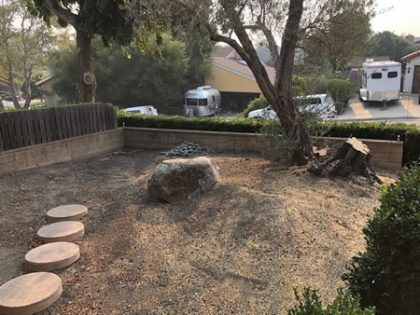
Taking out a tree is not the end of the story. What happens next determines how quickly your yard recovers. After stump grinding, the area should be leveled, amended, and allowed to settle before new plantings go in. Where shade once protected a lawn or patio, sun exposure may increase heat and glare. Smart replanting can bring back comfort while using less water.
Here is a simple way to think about “what’s next” after removal:
- Restore grade and irrigation coverage so nearby plants are not overwatered or left dry
- Choose a right-sized, drought-smart replacement to avoid future conflicts
- Plan for root zones around driveways, patios, and utilities to protect hardscapes
For ideas that pair well with your yard, browse our full landscaping services and talk through low-water designs, shade solutions, and privacy screens.
Common Scenarios We See Around Town
Laguna Lake and Broad Street
Backyards here can be compact with shared fences. Selective thinning and crown lifting often improve light and airflow while keeping privacy. If a large tree was planted too close to a fence, reduction pruning may help in the short term; long term, a smaller species may be the better fit.
Foothill and Cal Poly Area
Student rentals and tight driveways need dependable clearance for parking and trash pickup. Routine pruning reduces broken mirrors and scratched paint. Where heavy limb growth overhangs narrow streets, removal of one problematic tree can improve safety for the whole block.
Edna Valley Edges
Wind and sun exposure can push fast growth on young trees after wet winters. Structural pruning in the first years sets the framework and prevents future failures when canopies get heavier.
Pruning Best Practices to Protect Tree Health
Tree pruning and removal in San Luis Obispo should focus on long-term health and safety. Cuts must be made at proper branch collars to encourage sealing, and overall canopy reduction should be moderate. Avoid “topping,” which weakens structure and increases break risk later. With planned maintenance, many trees remain healthy, beautiful, and safe for decades.
If you are unsure where to start, our team can review your property and recommend a maintenance plan that balances shade, views, and safety. You can also explore our local landscaping tips for seasonal insights on caring for your outdoor spaces.
How This Process Works With Dan’s Landscaping Company
Site Walk and Safety Review
We begin with a walk-through to understand your goals, review nearby targets, and note access points. The assessment guides whether trimming or removal is recommended.
Clear Plan and Scheduling
You get a written scope for pruning or removal, debris handling, and clean-up. We set a date that fits your schedule and typical SLO weather patterns.
Protection and Clean Finish
Ground protection, careful rigging, and final sweeping leave your space tidy. Where trees are removed, we discuss soil repair, irrigation adjustments, and replanting options that match your home’s look.
Choosing Trim vs. Removal: Quick Decision Guide
Use this quick check to frame the decision before your assessment:
- If the tree is healthy, conflicts are minor, and structure is sound, pruning is likely the right call.
- If there is advanced decay, repeated failures, or severe conflicts with structures or utilities, removal may be recommended.
- If you are planning a renovation or ADU that compresses space, consider replacement with a smaller species for long-term fit.
When pruning is recommended, schedule routine visits to stay ahead of storms and summer growth. When removal is recommended, plan for stump grinding, site repair, and a replacement that brings back shade without the old conflicts.
Ready to Move Forward?
Whether you need corrective trimming or a full takedown, Dan’s Landscaping Company can help you make a confident choice and carry out the work safely. Start with an evaluation and, if pruning is the best route, we will map a maintenance plan that fits your yard and schedule. You can learn more about our approach to tree pruning services in San Luis Obispo or call us directly at 805-550-5488.
If you want a broader look at curb appeal, irrigation, or planting design, visit our full landscaping services page for ideas that match SLO’s climate and neighborhoods. For general insight on outdoor care, check out our local landscaping tips archive.
To get started today, visit our home page for tree pruning in San Luis Obispo and schedule your on-site review. Your trees, your safety, and your property’s value all benefit from the right decision made at the right time.