5 Signs Your Yard Has Poor Drainage
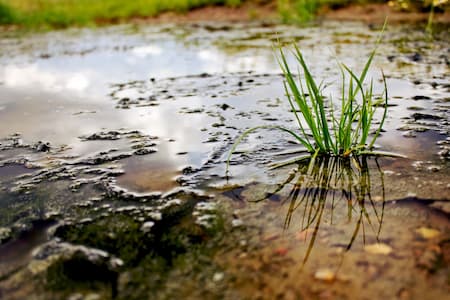
Drainage problems can quietly cause serious damage to your lawn, landscaping, and outdoor living spaces over time. While a small puddle after rainfall may not seem like a major concern, recurring moisture problems often point to larger drainage issues beneath the surface. Many homeowners don't realize poor drainage is affecting their property until they start seeing dying grass, erosion, muddy areas, or standing water around the yard.
Proper drainage plays an important role in maintaining a healthy landscape and protecting the long-term condition of your property. Excess moisture can weaken grass roots, drown plants, shift soil, and create conditions for mold, pests, and foundation concerns. Spotting the warning signs early can help you avoid more expensive repairs later.
As a professional landscaping company, Dan's Landscaping Company helps homeowners identify and address drainage problems before they become more severe. Here are five common signs your yard may have poor drainage.
Standing Water That Lingers After Rain
One of the most obvious signs of poor drainage is standing water that remains in your yard long after rain has stopped. Temporary puddles are normal during heavy storms, but water should gradually drain away within a reasonable amount of time. If you keep noticing puddles sitting in the same areas for hours or even days, there's likely an issue with how water moves across your property.
Standing water often develops because the yard isn't graded properly or because the soil can't absorb moisture efficiently. Low areas in the lawn naturally collect runoff, especially when compacted soil prevents drainage beneath the surface. Over time, these wet spots can damage grass, create muddy conditions, and make parts of the yard difficult to use.
Persistent standing water can also attract mosquitoes and other pests that thrive in damp environments. In some cases, excess moisture may begin affecting nearby hardscaping or foundations if drainage problems are left unresolved.
Professional drainage services can help redirect water away from problem areas using solutions such as grading adjustments, catch basins, French drains, and other drainage improvements.
Soggy Grass and Constantly Wet Soil
If your lawn always feels soft, wet, or muddy underfoot, poor drainage may be trapping moisture beneath the surface. Grass naturally gets damp after watering or rainfall, but healthy soil should dry gradually as water drains away. When sections of your lawn stay saturated for too long, the roots can start struggling to get enough oxygen.
Excessively wet soil creates unhealthy growing conditions that may lead to yellowing grass, thinning turf, bare spots, or fungal growth. In many cases, homeowners keep watering their lawn normally without realizing the problem is actually too much moisture rather than too little.
Soggy lawns can also interfere with regular maintenance. Wet grass is harder to mow properly and may develop ruts or uneven surfaces when heavy lawn equipment moves across saturated areas. Over time, repeated compaction can make the drainage problem even worse.
Addressing drainage issues early can help restore healthier soil conditions and improve the overall appearance of your lawn.
Soil Erosion Throughout the Landscape
Water that can't drain properly often starts flowing across the surface of the property instead of soaking evenly into the ground. As runoff moves through the landscape, it gradually washes away soil, mulch, and other materials that help stabilize the yard.
Soil erosion is especially common on sloped properties where water naturally gains speed as it travels downhill. You may notice exposed roots around trees and shrubs, mulch collecting in unwanted areas, or small trenches developing after rainfall. Over time, erosion can begin affecting plant health and the stability of nearby hardscape features.
Retaining walls, pathways, patios, and garden beds all rely on stable soil conditions to remain secure. If erosion continues unchecked, shifting soil can eventually create uneven surfaces and damage landscaping investments.
Drainage improvements help slow and redirect water flow so runoff doesn't continue damaging vulnerable areas throughout the property.
Water Collecting Near the Foundation
Drainage problems don't always stay isolated to the lawn itself. In many cases, poor drainage begins affecting areas near the home where water repeatedly collects around the foundation. Excess moisture around the structure can increase the risk of cracks, mildew, and long-term water damage if it's left untreated.
Some signs that drainage may be affecting your foundation include:
- Water pooling near the base of the home
- Damp crawl spaces
- Musty odors indoors
- Water stains on exterior surfaces
- Cracks forming in nearby concrete
- Soil separating from the foundation
Improper grading is one of the most common causes of foundation drainage issues. Ideally, landscaping should direct water away from the structure instead of allowing runoff to settle around the home.
Correcting drainage problems early can help reduce the risk of larger structural concerns while protecting the surrounding landscape at the same time.
Plants and Landscaping Struggle to Thrive
Many homeowners assume unhealthy plants are caused by underwatering, but too much moisture can be just as damaging. Plants sitting in oversaturated soil often struggle because their roots can't access the oxygen they need to stay healthy. Constant moisture may eventually lead to root rot, fungal disease, and declining plant growth throughout the landscape.
Some common signs of drainage-related plant stress include:
- Yellowing leaves
- Wilting despite wet soil
- Mold or fungus growth
- Rotting roots
- Stunted growth
- Persistent weeds in damp areas
If certain areas of your yard repeatedly experience plant failure despite regular maintenance, drainage problems may be the underlying cause. Correcting moisture imbalances can often improve the long-term health of your landscaping while reducing maintenance frustrations.
Drainage Solutions Help Protect Your Landscape
Every property drains differently, which means effective drainage solutions should be customized to the specific conditions of the yard. Soil composition, grading, irrigation systems, and runoff patterns all affect how water moves throughout the landscape.
A professional evaluation can help identify the source of drainage problems and determine the most effective solution for protecting your lawn and outdoor spaces. Depending on the situation, drainage improvements may include grading adjustments, catch basins, drainage swales, French drains, dry creek beds, or irrigation modifications.
If you're noticing signs of poor drainage around your San Luis Obispo property, Dan's Landscaping Company offers professional drainage services designed to help protect your lawn, landscaping, and outdoor living areas from long-term water damage.
Protect Your Yard Before Drainage Problems Get Worse
Poor drainage can affect nearly every part of your property, from your lawn and landscaping to your hardscaping and foundation. What starts as a small puddle or muddy patch can quickly turn into erosion, plant damage, or costly repairs if excess water keeps collecting throughout the yard.
Recognizing the warning signs early gives you the chance to correct drainage issues before they become more severe. With the right drainage improvements, your landscape can stay healthier, more functional, and easier to maintain throughout the year.